
SimpliSafe vs Vivint 2026 - Pricing, Cameras, Monitoring Compared
I bought both systems and tested them side by side. Here's a hands-on comparison of the equipment, cameras, monitoring, smart home features, and pricing.

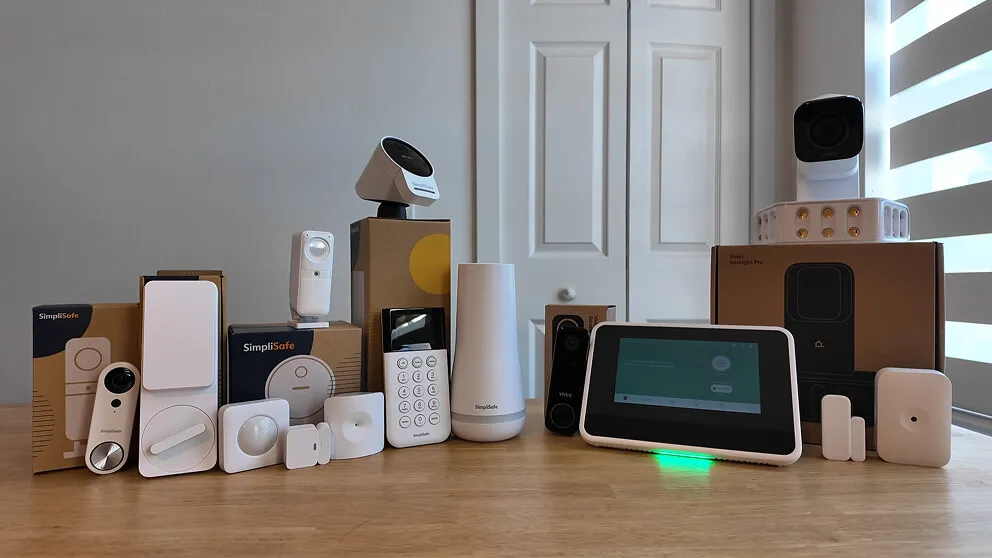
I've reviewed SimpliSafe and Vivint on their own, so here I'm putting them side by side. They take very different approaches to home security, and the right pick depends mostly on your budget and how much you care about smart home features.
Vivint is the better system, and it isn't especially close. It has a touchscreen panel, professional installation, straight cellular monitoring, smart home automation, and cameras that record without Wi-Fi. It also costs more, and financing locks you into a service agreement. SimpliSafe is the more affordable DIY option that still covers the security basics, and its Active Guard feature (where a live person monitors your cameras) is something you won't find at this price point anywhere else.
SimpliSafe vs Vivint At A Glance
| Feature | SimpliSafe | Vivint |
|---|---|---|
| Monthly monitoring | $32.99 - $79.99/mo | $29.99 - $49.99/mo |
| Upfront equipment cost | ~$530 (with 50% off deal) | $599 - $1,000+ |
| Installation | DIY | Professional |
| Contract required | No | No (but financing requires one) |
| Cameras | Proprietary | Proprietary |
| Smart home automation | Limited (door lock only) | Full Z-Wave support |
| Keypad/panel | Basic push-button | 7" touchscreen |
| Monitoring connection | Wi-Fi first, cellular backup | Straight cellular |
| Two-way voice on panel | No | Yes |
| 24/7 continuous recording | No | Yes ($7/mo add-on) |
| Records without Wi-Fi | No | Yes |
What Both Security Systems Came With
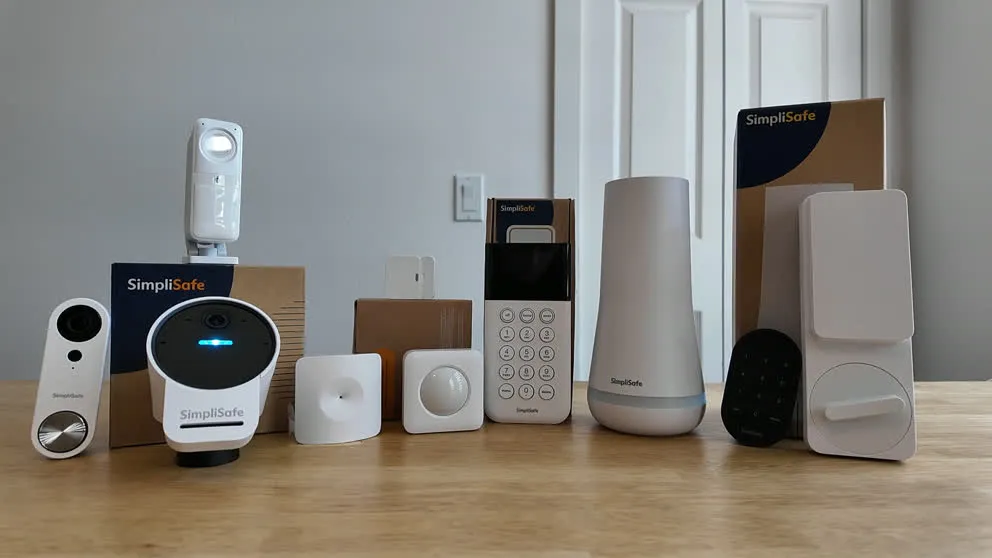
My SimpliSafe system came with the base station, keypad, door and window sensors, a motion sensor, a glass break sensor, a doorbell camera, an indoor camera, an outdoor camera, and the automatic door lock attachment.
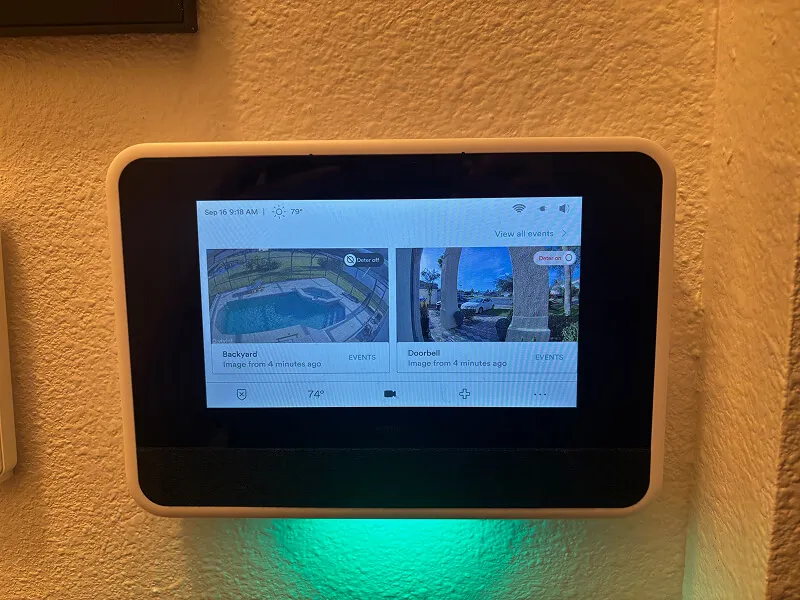
My Vivint system came with the 7-inch touchscreen panel (which has the base station built in), door and window sensors, a motion sensor, a glass break sensor, the Vivint doorbell camera, and the Vivint outdoor camera with the floodlight attachment. I also got a Nest thermostat and an automatic door lock bundled with the system.
Both systems monitor 24/7 for police, fire, and medical, and neither requires a landline. Both have cellular connectivity to keep the monitoring connection alive when your internet drops, and both offer the same core sensor lineup: door and window sensors, motion sensors, and glass break sensors.
Where they start to differ is the keypad. SimpliSafe has a separate base station and a traditional push-button keypad. It works fine, but it's pretty basic. Vivint packs everything into a single 7-inch touchscreen panel. It's easier to navigate, you can change settings and PIN codes without pulling out your phone, and you can even watch your camera feeds right on the panel. Between the two, I lean towards Vivint here. The touchscreen is just more intuitive.
Both companies have deals running right now. SimpliSafe is offering 20% off equipment plus a free indoor camera. Vivint has $0 activation with professional installation. I'll link to both throughout this guide.
SimpliSafe vs Vivint Monitoring And Connection
Both systems offer professional monitoring that dispatches police, fire, and medical. Where they differ is how each one talks to the monitoring center.
SimpliSafe connects through your home Wi-Fi first and uses cellular as a backup. If your internet goes down, it falls back to cellular and you still have service. Vivint goes straight to cellular. It doesn't rely on your Wi-Fi at all to contact the monitoring station. That means if your power goes out and your internet drops, Vivint is already on cellular without needing to switch over. That can result in a slightly quicker response time because there's no handoff between connections.
The other difference is two-way voice on the panel. Vivint's touchscreen panel has a built-in speaker and microphone, so if the alarm goes off, a monitoring agent can communicate with you through the panel itself. If a break-in is happening and you're inside the house, you're probably not in a position to answer your phone. The agent can hear what's going on through the panel and relay that to the police. SimpliSafe doesn't have this. Their monitoring agents can only reach you by calling your phone.
Vivint can also often use existing equipment from a previous home security system. If you moved into a house that already has hardwired sensors or even some wireless sensors from other companies like Honeywell, Vivint's technicians can take over and integrate those into your new system. That saves you real money on equipment since you're not starting from scratch. SimpliSafe only works with SimpliSafe sensors.
SimpliSafe Monitoring Plans
SimpliSafe's monitoring starts at $32.99 per month, which covers professional monitoring to police, fire, and medical, plus the app and camera access with cloud storage. If you want their Active Guard feature (a live agent watching your outdoor cameras between 8 PM and 6 AM), that bumps up to $49.99 per month. And if you want Active Guard running 24/7, it's $79.99 per month. That's expensive, but it's a feature most security systems don't offer at all, so there's not much to compare it against.
SimpliSafe also has a free self-monitoring tier where you get the app and can arm/disarm remotely, but you don't get professional monitoring or cellular backup. I wouldn't recommend it. Without professional monitoring, you're relying on yourself to call 911, and without cellular backup, a power outage takes out your whole system.
Vivint Monitoring Plans
Vivint starts at $29.99 per month for core security monitoring plus the app. If you want smart home features (automations, thermostat control, etc.), it goes up to $39.99. Add cameras on top of that and you're looking at $49.99 per month, plus $5 for each additional camera beyond the first. My Vivint bill comes to $49 per month because I have two cameras plus smart home plus security monitoring.
SimpliSafe vs Vivint Contracts
Both companies technically offer month-to-month service. SimpliSafe keeps it simple: no contract, and you can cancel whenever you want with no penalty.
Vivint is a little more complicated. If you pay for all your equipment upfront, it is month-to-month. But most people finance because Vivint equipment is expensive. If you finance (0% APR for 42 or 60 months), you're obligated to keep the monitoring service active as long as you have a balance on the equipment. So while Vivint calls it "no contract," financing effectively creates one. If you want to cancel early, you need to pay off whatever you owe on the equipment first.
I paid for my SimpliSafe equipment upfront and my Vivint equipment upfront because I'm not a fan of being locked in. But I get why people finance with Vivint. Dropping $1,000+ on equipment all at once isn't realistic for everyone.
Monitoring Verdict
Vivint has the stronger monitoring infrastructure with straight cellular and two-way voice on the panel. SimpliSafe has more flexible plans and the unique Active Guard feature. If monitoring reliability is your top priority, Vivint wins. If you want the option of live human camera monitoring, SimpliSafe has something no one else offers at this price.
SimpliSafe And Vivint Camera Comparison
Both systems offer high-definition cameras with night vision, motion detection, two-way talk, and live viewing from the app.
Both systems also use proprietary cameras, and I don't love that. If you cancel SimpliSafe, your cameras stop working, and the same goes for Vivint. Compare that to ADT (which uses Google Nest cameras) or Cove (which uses Eufy cameras), where you keep your cameras working even after canceling. It's something to consider if you think there's any chance you'll switch systems down the road.
SimpliSafe Cameras
SimpliSafe offers an indoor camera, outdoor camera, and doorbell camera. The outdoor camera can run on battery or be plugged in, which is nice if you want to stick a camera on a shed out back where there's no outlet nearby. Vivint can't do that.
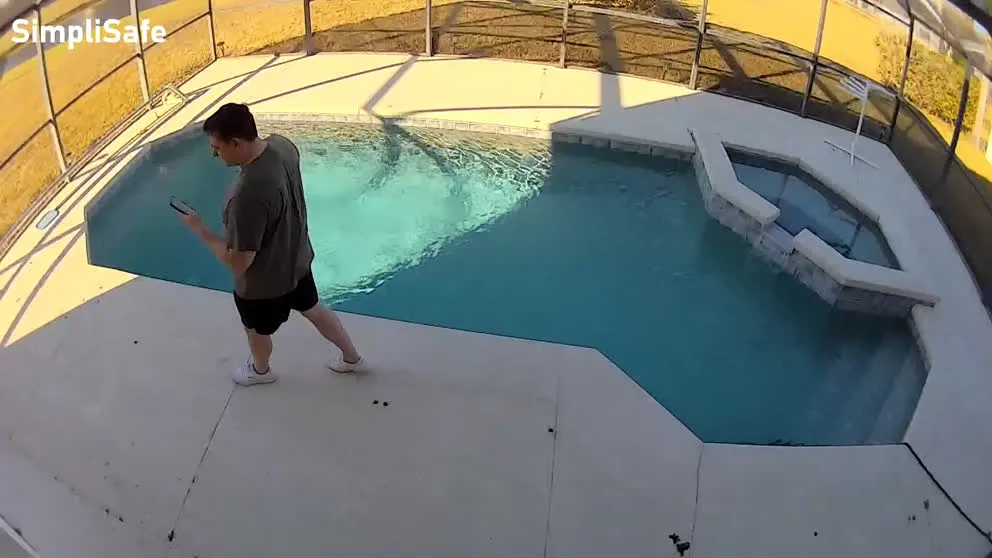
SimpliSafe cameras record motion-triggered video clips. There's no option for 24/7 continuous recording. When something triggers the camera, it records a clip anywhere from 10 to 90 seconds long, and that clip gets stored in the cloud for 30 days.
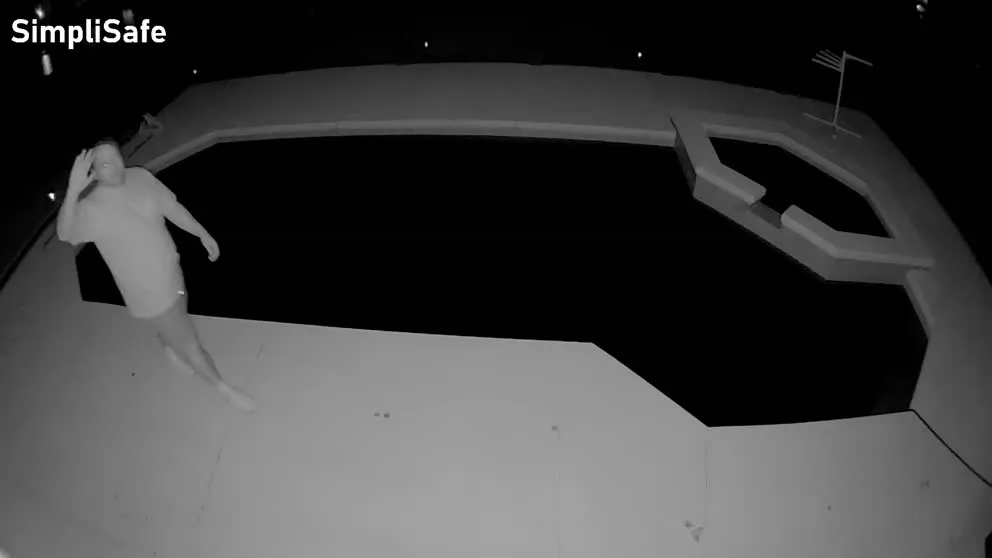
The biggest downside to SimpliSafe cameras is that they stop recording entirely if your Wi-Fi goes down. If someone cuts your internet or a storm knocks out your power, you lose camera coverage right when you need it most.
I also noticed some stuttering when live streaming the outdoor camera feed. When I walked in front of it and watched the live view, the video was jittery and jumping around. The downloaded clips looked fine, but the live stream wasn't great. That's likely a Wi-Fi bandwidth issue, but it's worth calling out.
Where SimpliSafe really stands out is Active Guard. This is their live video monitoring feature where an actual person at the monitoring station watches your camera feeds. If the outdoor camera picks up motion, the agent can see what's happening and talk to the person through the camera's speaker. If someone's peeking through your windows at 2 AM, that agent can say something and even dispatch police based on what they're seeing. Traditional security systems wait until someone kicks down the door to trip the alarm. Active Guard can potentially stop a crime before it happens.
That service is $49 to $79 per month depending on whether you want overnight or 24/7 coverage. It's pricey, but Vivint has nothing like it.
Vivint Cameras
Vivint offers an indoor camera, outdoor camera (with an optional floodlight attachment), and a doorbell camera. The cameras need to be plugged in, with no battery option, so you're drilling holes and running wires for outdoor cameras. That's why professional installation matters here.
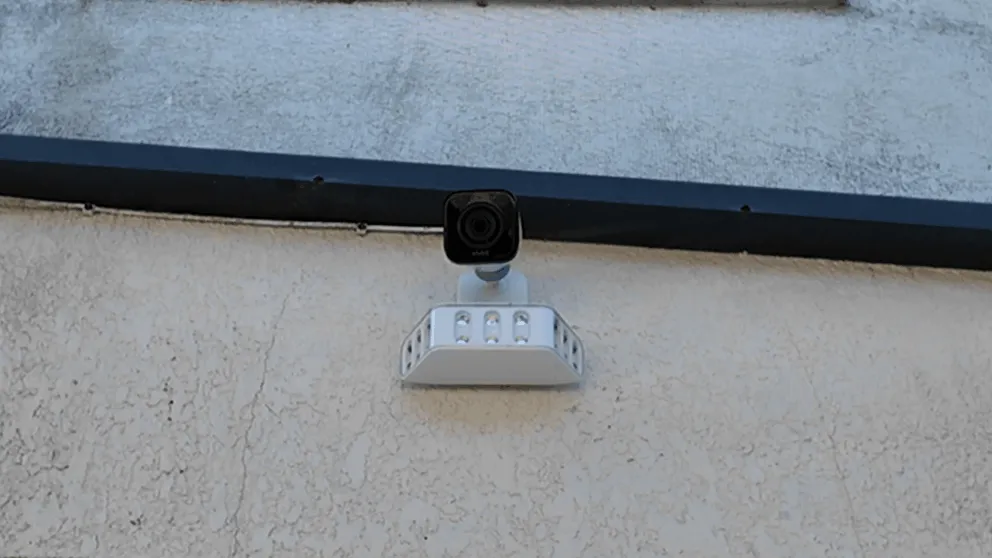
The video quality is a step up from SimpliSafe. The connection is more stable, the live stream is smoother, and the recordings are clearer. Vivint also offers a power-over-ethernet option, which means you can plug the camera directly into your modem for an even more reliable connection. When I compared the live feeds side by side, Vivint's cameras were noticeably smoother than SimpliSafe's.
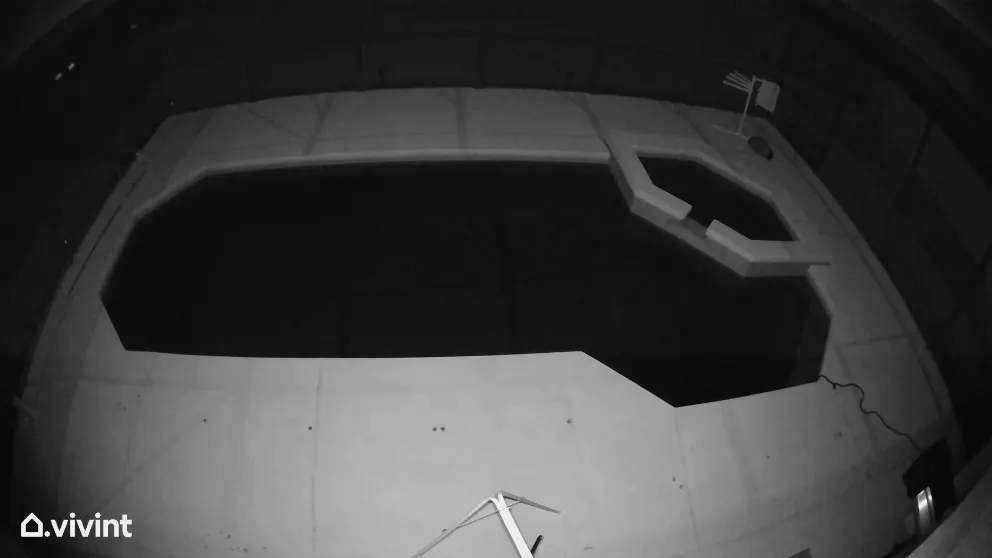
Vivint cameras keep recording even without Wi-Fi. If your internet goes down, the cameras store footage locally and you can view recordings directly from the Vivint panel.
Vivint also offers 24/7 continuous recording as an add-on for $7 per month. If you want every minute recorded, not just motion clips, that option exists. SimpliSafe doesn't offer it at all.
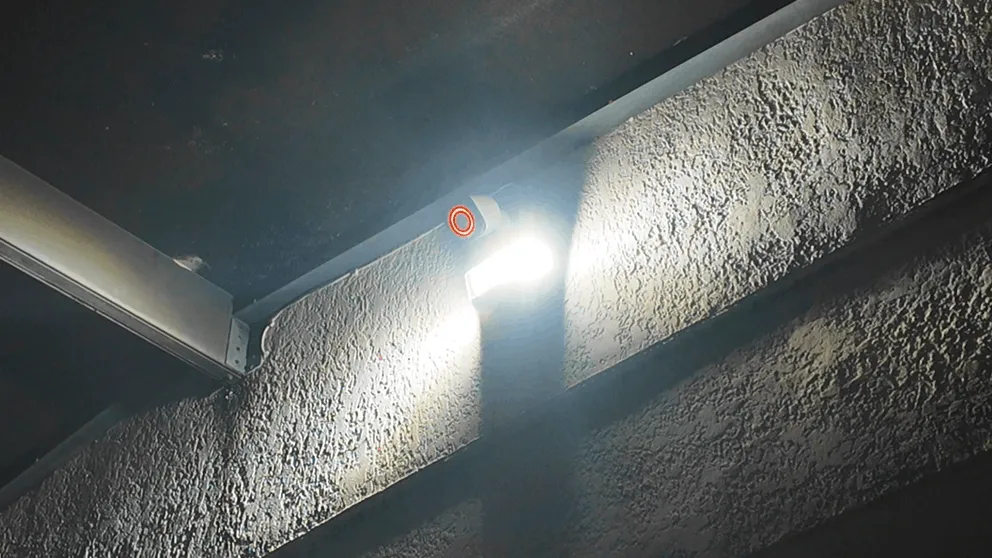
Vivint's version of deterrence is automated rather than human-monitored. When the cameras detect motion in deter mode, they play a whistle sound, flash an LED ring around the camera lens, and (with the floodlight attachment) light up your entire yard. It's designed to grab the intruder's attention and make them look directly at the camera. I know if I were in their shoes, I wouldn't be sticking around.
Camera Verdict
Vivint has better video quality, a more stable connection, records without Wi-Fi, and offers continuous recording. SimpliSafe cameras have battery flexibility and the unique Active Guard live monitoring feature. If camera quality and reliability matter most, go with Vivint. If you want a live person watching your cameras, SimpliSafe is the only game in town at this price.
DIY vs Professional Installation
Installing SimpliSafe
SimpliSafe is completely DIY. You unbox everything, download the app, plug in the base station, and follow the on-screen prompts to pair your sensors and cameras. The sensors use peel-and-stick adhesive, so you pull off the backing and stick them on the door frame without any drilling or tools.
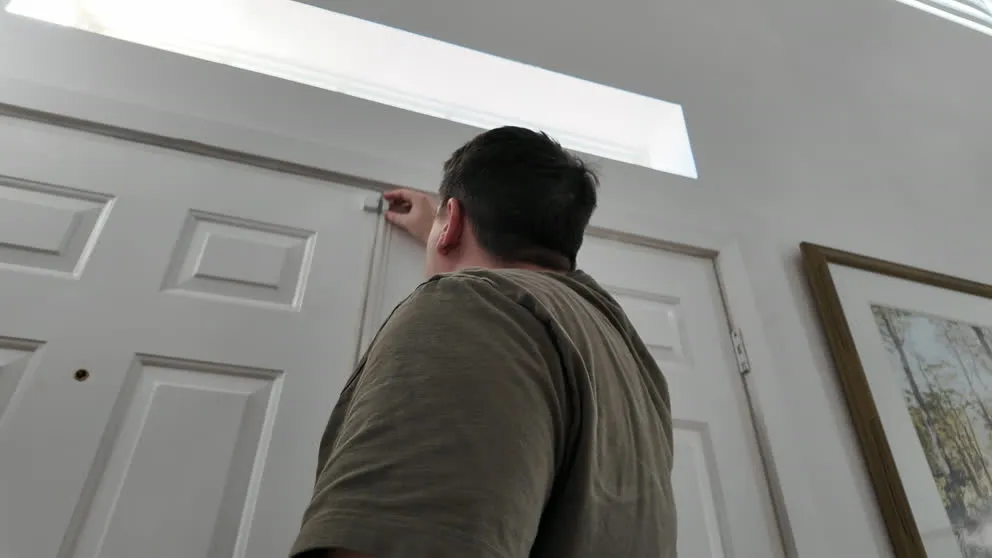
The whole process took me about two to three hours. The sensors and base station were simple. The cameras added some time but nothing too bad. Out of all the DIY security systems I've reviewed, SimpliSafe did the best job making the process approachable. If you've never installed a security system before, you'll be fine here.
Since everything is wireless and adhesive-mounted, SimpliSafe works well for renters. When you move out, you peel the sensors off and take everything with you, with no holes, damage, or reinstallation fee.
Installing Vivint
Vivint sends a technician to your house who handles everything. They connected all my sensors, set up the panel, tested the system, and installed the outdoor camera with the floodlight. The outdoor camera installation alone was worth it. It meant running wires from outside to inside, drilling through the wall, and sealing everything up, which I wouldn't want to do myself.
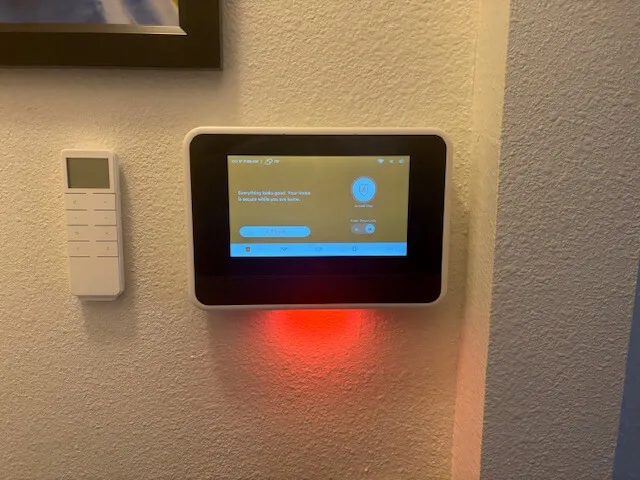
My Vivint installation took about two to three hours as well. The technician walked me through the app, showed me how to arm and disarm, and explained how to set up automations. I felt better knowing that someone who installs these systems all day set everything up correctly the first time.
And like I mentioned earlier, if your house already has an existing hardwired security system from a previous owner, Vivint's technician can integrate those sensors into your new setup. That's a real advantage if you're moving into a house that already has wiring in place. SimpliSafe can't do that.
Professional installation with Vivint starts at around $99, though they frequently waive or discount the fee through promotions. Check Vivint's current installation deals here.
Installation Verdict
If you want hands-off setup done by a pro (especially for outdoor cameras), Vivint is the way to go. If you're comfortable with DIY and want to save money, SimpliSafe's installation is straightforward and renter-friendly.
Vivint Smart Home Automation
This is where Vivint pulls way ahead. SimpliSafe barely does home automation at all. It works with an automatic deadbolt attachment that lets you lock and unlock your door from the app and use a PIN code. Beyond that, there's no thermostat control, no light switches, no Z-Wave support, and no automations beyond the door lock.
Vivint connects to anything Z-Wave compatible. Door locks, thermostats, garage door openers, and light switches all show up in the Vivint app alongside your security system and cameras.
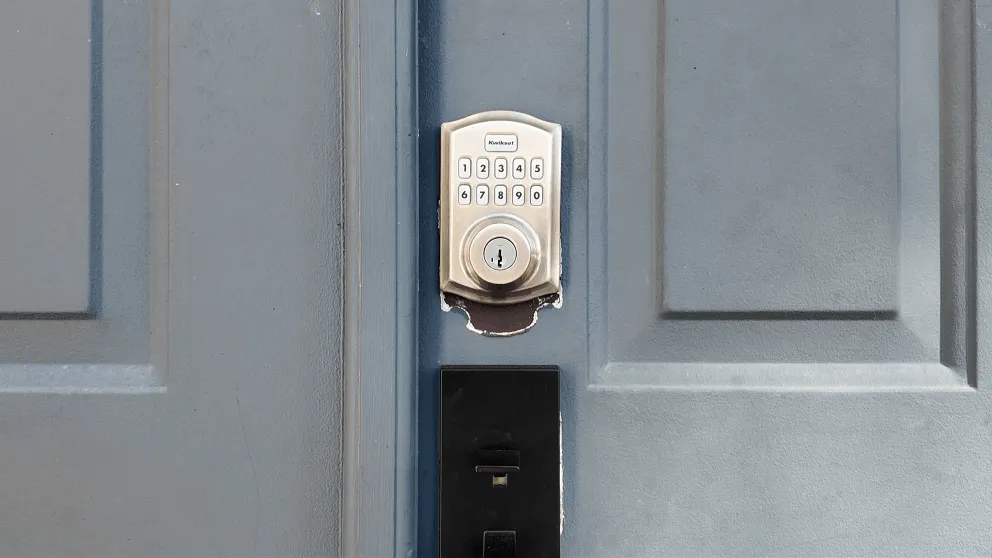
You can also set up automations. Monday through Friday at 9 PM, automatically arm the alarm, lock the front door, and turn off the lights. Or when you set the system to Away mode, have it lock all doors and lower the thermostat. Each device can act as a trigger that fires off other actions. You can get creative with it and turn your house into a real smart home.
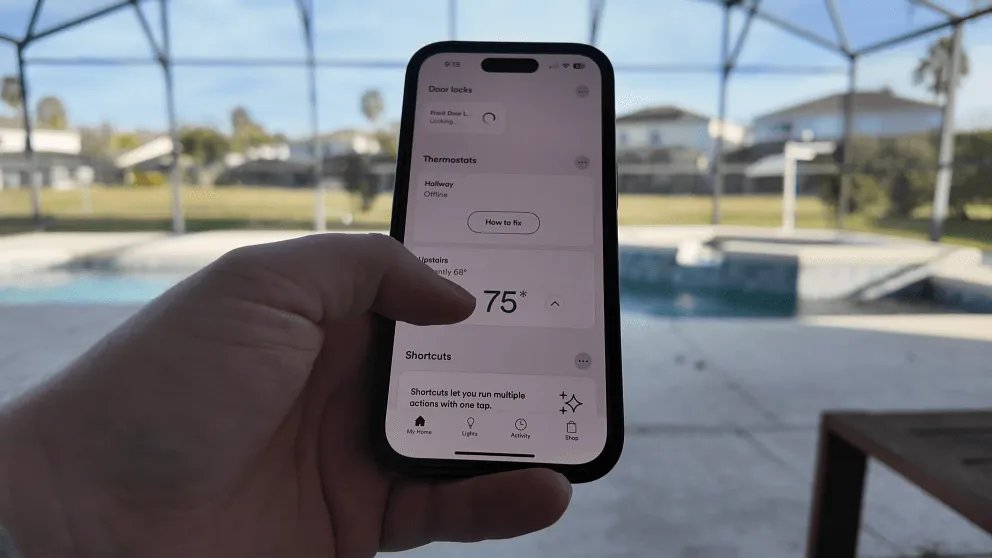
If smart home features matter to you at all, Vivint is the one to get.
Comparing The SimpliSafe App And Vivint App
I like both apps, and I was pleasantly surprised by SimpliSafe. When you think of SimpliSafe, you think "basic." But the app is well-designed, responsive, and checks all the boxes. You can arm and disarm, watch camera feeds, get notifications, and download video clips.
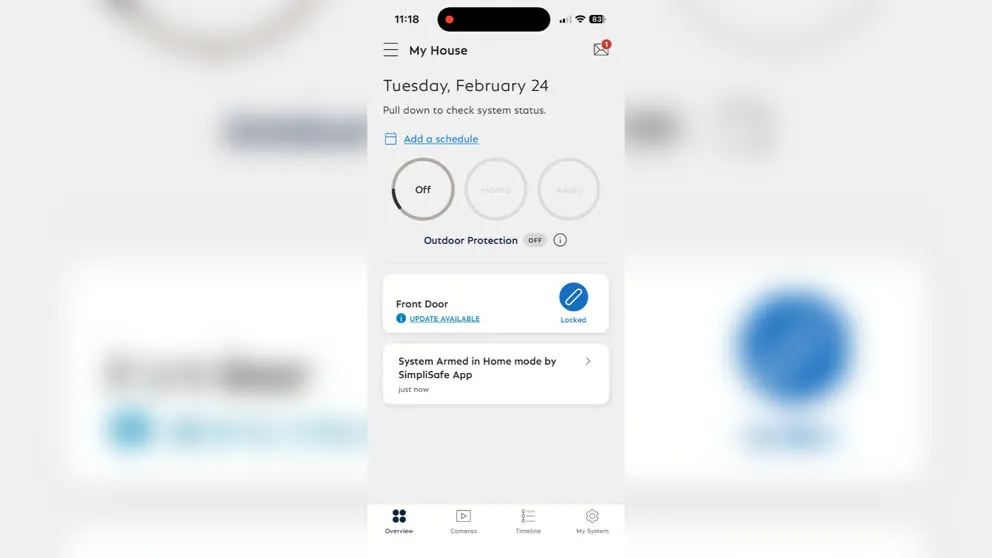
The Vivint app has more features because of the smart home integration. You can control your door locks, thermostat, lights, and garage door alongside your cameras and alarm. The Vivint app also feels more polished and is easier to navigate.
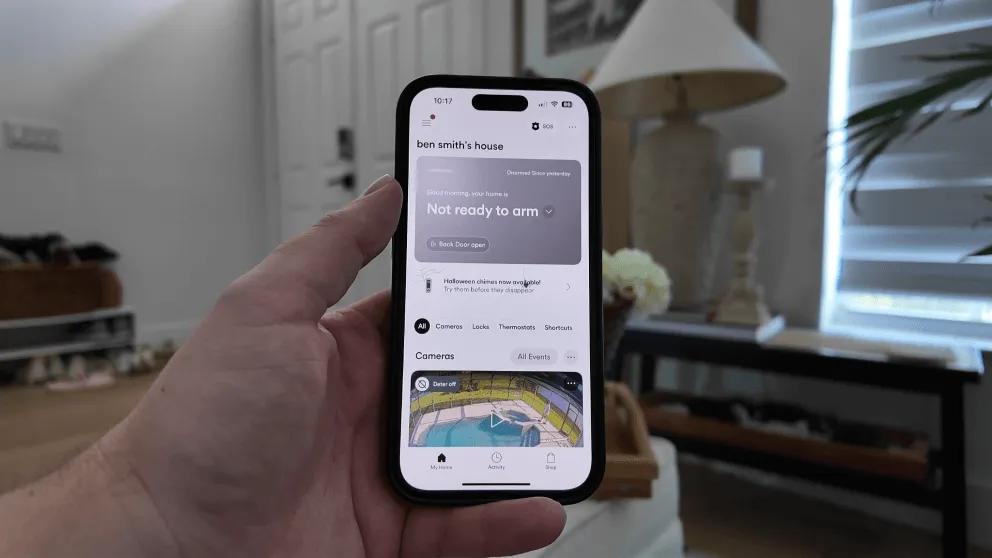
Both apps work remotely from anywhere with cell service. Both let you get push notifications, view live camera feeds, and download clips. The SimpliSafe app has strong ratings (4.8 iOS, 4.5 Android). Vivint's ratings are slightly lower on Android (4.6 iOS, 3.8 Android), mostly from users reporting occasional slowness.
I'd call this one roughly a tie on the core security features. But if smart home control matters to you, the Vivint app does more because the system does more.
SimpliSafe vs Vivint Pricing And Costs
SimpliSafe Equipment Costs
My SimpliSafe system had a retail price of about $965. I was able to get 50% off through a promotion and paid $530 for all the equipment. SimpliSafe runs discounts frequently, so I'd recommend waiting for a deal before buying. At full price, it's hard to justify when Vivint packages start around $599.
Vivint Equipment Costs
Vivint has packages starting around $599, but I went with the full setup (cameras, door lock, thermostat, the works) and paid a little over $1,000. Vivint offers 0% APR financing for 42 or 60 months, which makes the upfront cost more manageable. Just remember that financing means you're committed to the monitoring service for the length of the loan.
Monthly Monitoring Costs
| Plan | SimpliSafe | Vivint |
|---|---|---|
| Core security monitoring | $32.99/mo | $29.99/mo |
| Security + smart home | N/A | $39.99/mo |
| Security + cameras | $32.99/mo (included) | $49.99/mo |
| Live camera monitoring (overnight) | $49.99/mo | N/A |
| Live camera monitoring (24/7) | $79.99/mo | N/A |
SimpliSafe's base plan at $32.99 includes camera access and cloud storage, so you don't pay extra just to use your cameras. With Vivint, camera access bumps you up to the $49.99 tier, plus $5 per additional camera.
Where SimpliSafe gets expensive is Active Guard. If you want the live agent watching your cameras, you're looking at $49 to $79 per month. That's a lot. But if you only care about standard monitoring with cameras, SimpliSafe's $32.99 plan is cheaper than Vivint's comparable $49.99 plan.
Total Cost Comparison
| Cost | SimpliSafe | Vivint |
|---|---|---|
| Equipment (with deals) | ~$530 | ~$599 - $1,000+ |
| Monthly (security + cameras) | $32.99/mo | $49.99/mo |
| Annual monitoring cost | $395.88/yr | $599.88/yr |
| First year total | ~$925 | ~$1,199 - $1,600+ |
SimpliSafe is cheaper in the first year by $200 to $700 depending on how much Vivint equipment you buy. That gap narrows over time since the monthly cost difference is about $17, which adds up to roughly $204 per year.
Pricing Verdict
SimpliSafe wins on price for standard security monitoring with cameras. Vivint costs more but gives you professional installation, smart home automation, and better cameras. Whether that's worth about $17 more a month is up to you.
Which Home Security System Should You Get?
Get SimpliSafe If You Want Affordable Security With Unique Camera Monitoring
Pros
- Active Guard live video monitoring is unique in the industry
- Easy DIY installation with refined setup process
- No contract, month-to-month service
- Free monitoring plan available with basic app control
- Cellular backup keeps monitoring active when Wi-Fi is down
Cons
- No touchscreen keypad (basic push-button style)
- Cameras are proprietary (stop working if you cancel)
- Limited smart home and home automation features
- No 24/7 continuous recording (clips only)
- Monthly cost has increased significantly (no longer the budget option)
- Can't use existing hardwired sensors
SimpliSafe is the right pick if you want reliable home security at a lower price point, with the option to add live camera monitoring that no one else offers for this kind of money. The DIY installation is easy, there's no contract, and the base monitoring plan at $32.99 per month includes camera access.
The main tradeoffs: no touchscreen panel, proprietary cameras that stop working if you cancel, limited smart home features, and cameras that don't record without Wi-Fi. If those things don't bother you, SimpliSafe is a solid system.
If you're a renter, SimpliSafe is a great fit. Everything is wireless, nothing requires drilling, and you can take the entire system with you when you move. The month-to-month plan means you're never locked into anything.
Check SimpliSafe's current offers here.
Get Vivint If You Want The Best Smart Home Security System
Pros
- Month-to-month contract option
- Professional Installation
- Advanced Equipment & Feature Set
- Excellent mobile app
- Touchscreen keypad
Cons
- Higher monthly cost
- Financing locks you into a service agreement
- Equipment can be expensive upfront
- Cameras are proprietary and stop working if you cancel
Vivint is the better system. A pro sets everything up right the first time, including the outdoor cameras that need drilling and wiring. The touchscreen panel is easier to use than SimpliSafe's push-button keypad, and you can control your locks, thermostat, and lights alongside your security. The cameras also look better, hold a steadier connection, and keep recording when Wi-Fi goes down.
The trade-off is cost. Vivint's equipment runs higher, the monthly monitoring is about $17 more for the camera tier, and financing effectively locks you in until you've paid off the balance. But if you're a homeowner who wants the full smart home security experience, Vivint is worth the money.
If you already have a hardwired security system from a previous owner, Vivint can integrate those existing sensors and save you on equipment costs. SimpliSafe can't do that.
Check Vivint's current offers here.
The Bottom Line
For budget-conscious buyers who want solid home security with no strings attached (and maybe live camera monitoring), SimpliSafe is the move. You get a lower monthly cost, no contract, and easy DIY setup.
For homeowners who want the full smart home security package with professional installation, a touchscreen panel, straight cellular monitoring, and home automation, Vivint is worth the premium.
Both systems monitor 24/7 for police, fire, and medical, so neither is a bad choice. It comes down to how much you want to spend and whether smart home features matter to you.
What's better, Vivint or SimpliSafe?
Vivint is the better overall system. It has professional installation, a touchscreen panel, straight cellular monitoring, smart home automation, and cameras that record without Wi-Fi. SimpliSafe is better on price and offers the unique Active Guard live camera monitoring feature. The right pick depends on your budget and priorities.
What is the downside of SimpliSafe?
The biggest downsides are the basic push-button keypad (no touchscreen), proprietary cameras that stop working if you cancel, cameras that don't record without Wi-Fi, and limited smart home features. SimpliSafe also can't use existing hardwired sensors from a previous security system.
Can burglars disable SimpliSafe?
SimpliSafe uses cellular backup, so if someone cuts your internet, the monitoring connection stays active through cellular. The base station has a built-in siren and battery backup. However, because SimpliSafe's primary connection is Wi-Fi (with cellular as backup), it could theoretically take a moment longer to switch over compared to Vivint, which goes straight to cellular.
What is the #1 rated home security system?
It depends on what you're looking for. Vivint is one of the top-rated professionally installed systems with the best smart home integration in the industry. SimpliSafe is one of the top-rated DIY systems for its Active Guard live monitoring feature. ADT is the largest and oldest provider with six monitoring centers. Each system is 'best' for a different type of buyer.
Is SimpliSafe worth it without professional monitoring?
I wouldn't recommend it. Without professional monitoring, you lose cellular backup and rely entirely on Wi-Fi. You also have to be the one to call 911 yourself. The free self-monitoring plan gives you the app, but that's about it. The $32.99 Core plan is worth the monthly cost for the peace of mind.
Does Vivint require a contract?
Technically no. If you pay for equipment upfront, Vivint is month-to-month. But most people finance the equipment at 0% APR for 42 or 60 months, which requires you to keep the monitoring service active for the duration of the loan. If you want to cancel early, you need to pay off the remaining equipment balance first.
Can Vivint use existing home security sensors?
Yes. Vivint technicians can often take over and integrate existing hardwired sensors from previous security systems. They can also use some wireless sensors from other brands like Honeywell. This can save you real money on equipment if you're moving into a house that already has a wired system. SimpliSafe can only use SimpliSafe sensors.
How much does SimpliSafe cost per month?
SimpliSafe's Core plan is $32.99 per month and includes professional monitoring, the app, camera access, and cloud storage. The Pro plan is $49.99 per month and adds overnight Active Guard live camera monitoring. The Pro Plus plan at $79.99 per month upgrades Active Guard to 24/7 coverage.
Is SimpliSafe or Vivint better for renters?
SimpliSafe is better for renters. It's completely wireless with peel-and-stick sensors, so there's no drilling or permanent modifications. When you move, just peel off the sensors and take everything with you. Vivint requires professional installation that may involve drilling for cameras, which isn't ideal for rental properties.
Does SimpliSafe work with smart home devices?
Barely. SimpliSafe works with an automatic deadbolt door lock and that's about it. There's no Z-Wave support, no thermostat control, no light switch integration, and no automation rules. If smart home is a priority, Vivint is the better choice since it connects to anything Z-Wave compatible.
About the author
