
4 Tips for Preventing ADT False Alarms
False alarms waste police resources and are annoying to deal with. Here's how to prevent them on your ADT system.

False alarms are one of the most frustrating parts of owning a home security system. They wake you up at 2am, they send police to your house for nothing, and in many cities they come with fines that add up fast. The worst part is that most of them are completely preventable.
I've dealt with my share of false alarms on ADT systems, and the root cause is almost always something simple. A door that wasn't shut all the way. Someone who didn't know the PIN. Or Simply opening the door forgetting it was armed. Here's how to avoid false alarms and keep your ADT home security system running clean.
The Number One Cause of False Alarms
It's almost always human error. Not faulty equipment, storms, or pets. The single biggest reason ADT monitoring centers receive false alarm signals is because someone in the house made a mistake.
The most common ones I see:
- Entering the wrong keypad code (or just being too slow to disarm)
- Walking back into the house after arming without disarming first
- Not closing a door or window all the way before arming
- Forgetting to tell a babysitter or house guest how to operate the system
Equipment failures and acts of nature do cause false alarms, but they're rare compared to someone just fumbling the code at the front door.
Faulty Door and Window Sensors
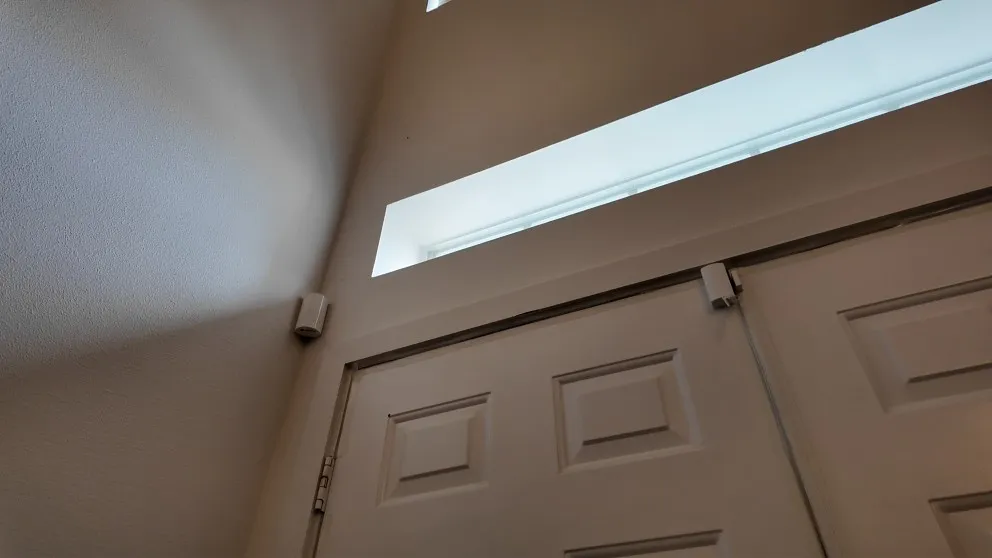
Door and window sensors work by detecting when two magnetic contacts separate. One contact sits on the door or window, the other on the frame. When they move apart, the sensor trips.
False alarms from these sensors usually happen when:
- A door or window isn't latched properly and drifts open after you arm the system
- The contacts shift out of alignment from settling, remodeling, or just wear and tear
- One of the contacts comes loose and falls off
If a door or window sensor keeps triggering, check that both contacts are firmly attached and lined up. You can also inspect your window contacts periodically to make sure nothing has shifted. If the sensor itself is bad, you may need to replace the battery or have the sensor swapped out.
Motion Detectors is Too Sensitive
Motion detectors are great for covering open rooms, but they're also the most sensitive to things that aren't actually intruders.
Common motion detector triggers:
- Pets walking through the detection zone
- Balloons, streamers, or hanging decorations
- Drapes moving when the AC or heat kicks on
- A ceiling fan spinning in range of the detector
- Bugs crawling across the sensor lens
If you have pets, talk to ADT about getting pet-immune motion sensors installed. They're designed to ignore animals under 70lbs. And if you keep getting false alarms from a specific motion detector, look at what's in its line of sight and adjust the sensitivity. You might be surpised how things move in the house, such as your drapes moving from drafty windows.
Glassbreak Detectors
Glassbreak detectors listen for two specific sounds: the low-frequency thud of something hitting glass and the high-frequency shatter of glass breaking. When both happen together, the sensor trips.
The problem is that other sounds can mimic that pattern:
- Thunder and fireworks
- Loud music or TV with heavy bass near the detector
- A dog barking close to the sensor
If your glassbreak detector keeps going off, think about what's happening in that room when it triggers. A subwoofer or a speaker placed near the detector can set it off during a loud movie. Moving the speaker or repositioning the sensor usually fixes it.
Smoke and Heat Detectors
Smoke detectors trip when particles enter the sensor chamber. This obviously happens with real smoke, but it also happens with:
- Cooking smoke and steam from the kitchen
- Dust buildup inside the detector
- Bugs that crawl inside the unit
If your smoke detector is near the kitchen, it's going to go off while you're cooking. That's not a false alarm in the traditional sense, but it still triggers the monitoring center. Cleaning your smoke detectors every few months with compressed air helps prevent dust-related trips. If a smoke detector keeps triggering for no obvious reason, it may need to be replaced.
How to Avoid False Alarms on Your Home Security System
Most false alarms come down to habits and maintenance. Here's what I recommend to minimize false alarm events:
- Properly train all users on how to arm, disarm, and operate your alarm system. This includes babysitters, relatives, adult children, visitors, anyone who might be alone in the house. If you have housekeepers or contractors, train all employees who have access.
- Secure all doors and windows before arming. Walk the house and make sure everything is closed and latched.
- Keep your ADT security passwords and emergency contacts up to date. Call the monitoring center when you add or remove authorized users.
- Test your system regularly. Put the system in test mode through the ADT app or panel and trigger each sensor to make sure everything is communicating with the monitoring center properly.
- Keep pets out of sensor zones or have ADT install pet-immune motion sensors.
- Watch what you put near sensors. Don't install a ceiling fan in range of a motion detector or place a speaker next to a glassbreak detector.
- Keep batteries fresh. Weak batteries cause sensors to behave unpredictably. Check out our guide on ADT battery replacement if your system is showing low battery warnings.
If a specific sensor keeps causing problems, you can bypass that zone temporarily while you troubleshoot it. Here's how to bypass a zone on your ADT panel.
What Happens When a False Alarm Is Triggered
When your ADT alarm goes off, the monitoring center receives the signal and attempts to reach you by phone. If they can't verify that it's a false alarm, they dispatch police or fire to your address.
This is where it gets expensive. Many cities charge false alarm fees that range from $25 to $100 for the first offense and go up from there. Some municipalities charge $200 or more for repeat offenders. A few cities will even revoke your alarm permit if you hit too many false alarms in a year.
ADT's monitoring service does give you a window to cancel before dispatch. If you accidentally trip the alarm, get to the keypad and enter your code quickly. You can also answer the verification call from the monitoring center and give them your verbal password to cancel the dispatch.
How to Turn Off an ADT Alarm
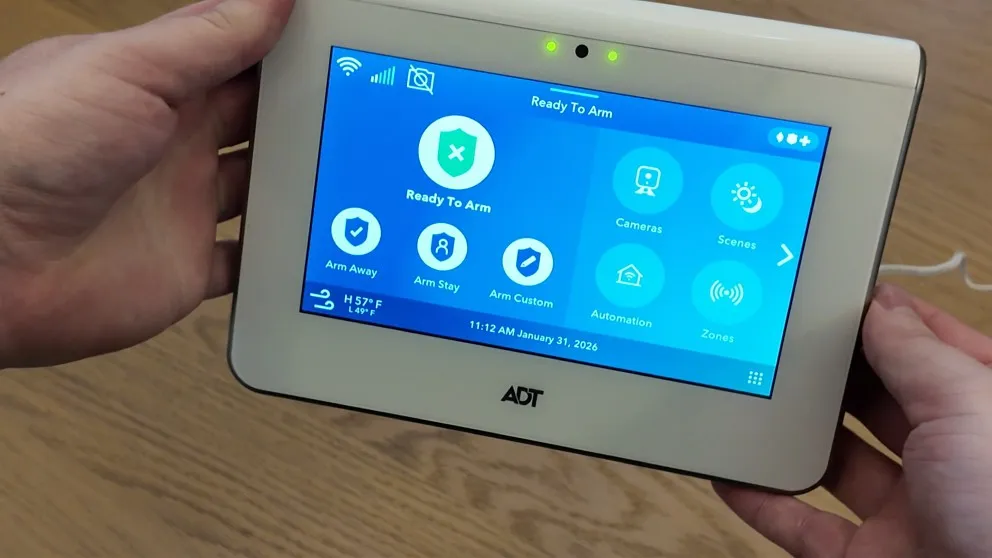
If the alarm is going off and you need to stop it:
- Go to the panel or keypad and enter your PIN code
- The siren will stop and the system will disarm
If you can't get to the panel in time, answer the call from ADT's monitoring center and provide your verbal password. They can cancel the dispatch on their end.
If you moved into a house with ADT and don't have the PIN, you'll need to call ADT to get the account activated under your name before you can disarm or control the system.
When to Call ADT Support
If false alarms keep happening and you've gone through all the prevention steps above, it's time to call ADT support at (800) 238-2727. They can run remote diagnostics, check your sensor history, and send a technician if something needs to be repositioned or replaced.
You should also call if you need to update your emergency contacts, change your verbal password, or request a service check on a sensor that keeps acting up. Keeping your account info current with the monitoring center is one of the easiest ways to avoid false alarm headaches.
What is the number one cause of false alarms?
Human error. Entering the wrong code, forgetting to disarm before walking back in, or not closing a door all the way before arming are the most common causes. Equipment issues and weather events are far less frequent.
Does ADT charge for false alarms?
ADT itself doesn't typically charge a false alarm fee, but your city or municipality might. False alarm fines vary by location and can range from $25 to over $200 depending on how many you've had.
How do I stop my ADT alarm from going off accidentally?
Make sure everyone in the house knows the PIN and how to disarm the system. Secure all doors and windows before arming. Keep pets away from motion sensors and maintain your sensor batteries so they don't malfunction.
About the author
